How to Choose the Right Perfume for Every Season
Perfume is deeply personal — a scent can define your presence, trigger memories, and complete your style. But the perfume that smells perfect in winter can feel heavy in summer, and a light summer scent can disappear in cold air. Choosing perfume by season is the secret to smelling wonderful all year round.
This guide matches fragrance families to seasons, so you always wear the right scent at the right time.
Why Season Matters for Perfume
Temperature changes how perfume behaves. Heat intensifies fragrance: warm skin and warm air amplify scent molecules, making strong perfumes overwhelming in summer. Cold air, by contrast, mutes fragrance — light scents fade quickly in winter, while richer scents bloom slowly and last longer.
Humidity matters too: humid summer air carries scent further, while dry winter air dulls it. Your skin also changes seasonally — drier winter skin holds fragrance less well than moisturized summer skin. Choosing seasonal scents is not about owning dozens of bottles; it is about matching fragrance weight to the weather, so your scent is always balanced, never overpowering or invisible.
Spring: Fresh Florals
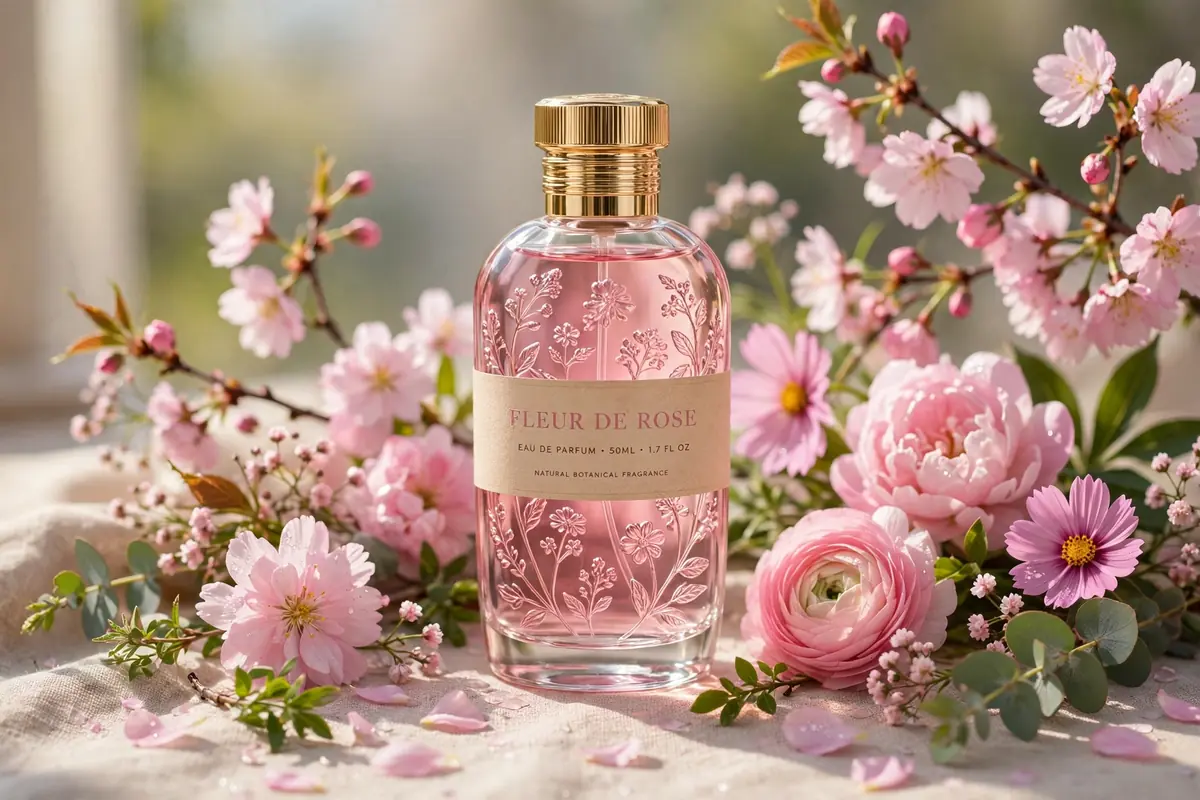
Spring calls for fresh, blooming florals. Think peony, cherry blossom, lilac, jasmine, and rose — light, airy florals that mirror the season's renewal. Spring perfumes should feel like a garden after rain: clean, bright, and softly romantic, never heavy or musky.
Look for eau de toilette concentrations in spring, which are lighter than parfum and suit warming weather. Floral-fruity combinations — peony with pear, rose with lychee — add a modern freshness that feels youthful and effortless. Spring is also the perfect time to try a new scent: your nose, tired of winter's heavy fragrances, welcomes lighter notes.
Summer: Light and Fresh
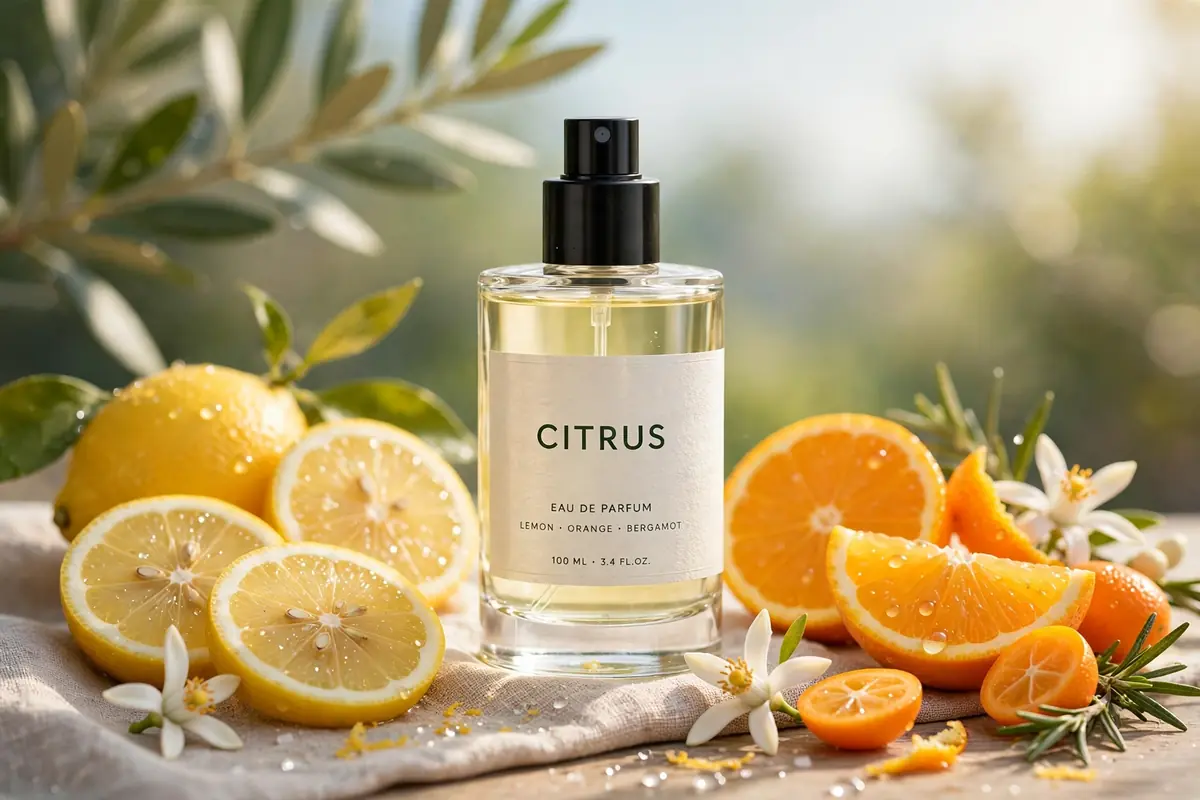
Summer demands the lightest fragrances of the year. Citrus (bergamot, lemon, grapefruit), aquatic notes, green tea, and light florals stay refreshing in heat without becoming cloying. Avoid heavy orientals, dense musks, and strong vanilla in summer — heat amplifies them into headache territory.
Summer perfumes should feel like a cool breeze: clean, sparkling, and easy. Citrus-aquatic combinations, light coconut, and fresh linen notes all work beautifully. Apply summer scent more lightly than winter scent — two sprays instead of four — since heat projects fragrance further. And reapply a light mist midday if needed, rather than over-spraying in the morning.
Fall: Warm and Spicy
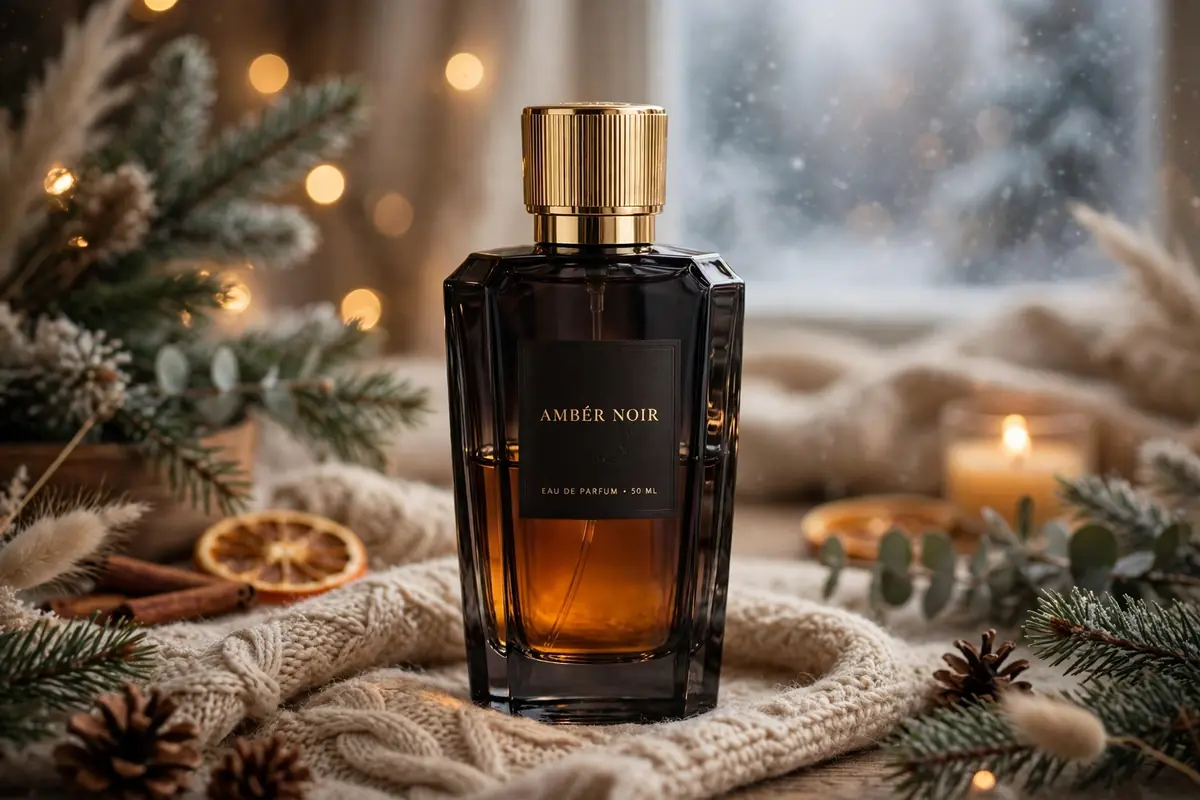
Fall is when fragrance gets interesting. As air cools, warmer notes shine: amber, cinnamon, cardamom, vanilla, sandalwood, and spicy florals. Fall perfumes feel cozy and rich, like a cashmere sweater — warm without being as heavy as full winter scents.
Oriental-floral combinations, gourmand notes (caramel, coffee, vanilla), and woody scents all suit fall beautifully. This is the season to transition from summer's lightness: start with lighter warm scents in early fall, moving to richer ones as temperatures drop. Fall is also the best season for discovering a signature scent — the moderate weather lets you judge a fragrance accurately.
Winter: Rich and Deep
Winter is the season for your richest, deepest perfumes. Cold air mutes fragrance, so bold notes — oud, leather, dark vanilla, amber, musk, and deep woods — finally have room to shine without overwhelming. Winter perfumes should feel like a warm embrace: enveloping, luxurious, and long-lasting.
Choose eau de parfum or parfum concentrations in winter, which are stronger and last longer on cold, dry skin. Apply perfume to moisturized skin (fragrance lasts longer on hydrated skin) and to pulse points under clothing, where body heat slowly releases the scent all day. Winter is the time for your most dramatic, memorable fragrances — the ones people associate with you.
Choosing by Occasion Too
Season is the starting point, but occasion refines the choice. For work, choose lighter, cleaner scents in any season — nothing that fills a room. For evenings and dates, richer, more sensual scents suit, even in summer (just apply lightly). For casual weekends, fresh, easy scents feel right.
Consider your personality too: if you love bold fashion, bold fragrances suit you; if your style is minimal, clean, subtle scents fit better. And trust your nose over trends — a perfume you love and feel confident wearing beats any "must-have" scent. Sample before buying: wear a scent for a full day (not just a paper strip) to see how it develops on your skin.
Application Tips for Lasting Scent
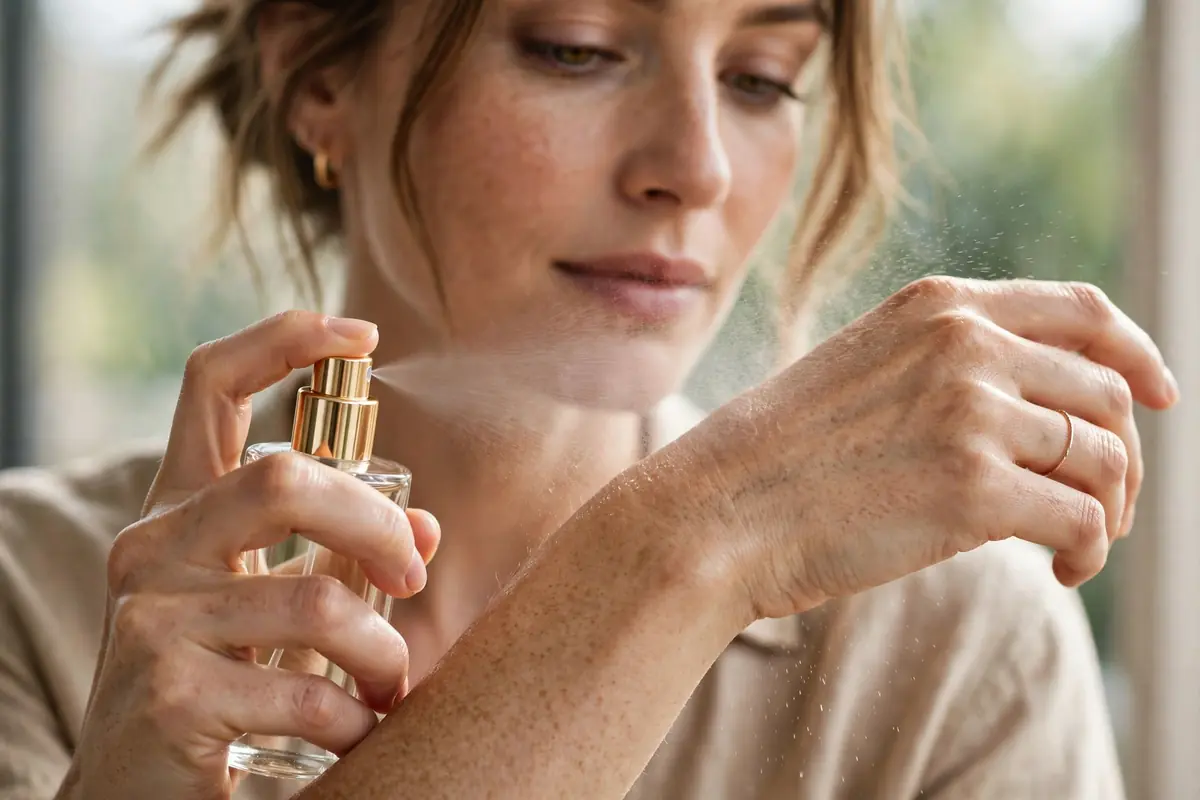
How you apply perfume matters as much as which one you choose. Apply to pulse points — wrists, neck, behind ears, inner elbows — where warmth releases fragrance gradually. Moisturize first with an unscented lotion: hydrated skin holds scent far longer than dry skin.
Do not rub your wrists together after spraying — it crushes the fragrance molecules and dulls the top notes. Instead, spray and let it dry naturally. For lighter scents, a mist over hair or clothing extends wear (test on fabric first). And do not over-spray: two to four sprays is enough for most perfumes; your nose adapts to your scent quickly, but others still smell it.
A Scent for Every Season
Choosing perfume by season is simple: fresh florals for spring, light citrus and aquatics for summer, warm spices for fall, and rich, deep notes for winter. Match fragrance weight to the weather, consider the occasion, moisturize before applying, and never rub. With a small seasonal rotation — even just two or three bottles — you will smell perfectly balanced all year, and your fragrance will become part of your signature style.