How to Get Rid of Acne Scars Naturally
Acne itself is frustrating enough — but the marks it leaves behind can linger for months after breakouts heal. Acne scars and dark spots affect confidence, and many people spend a fortune on treatments that promise miracles. The good news is that many acne marks fade naturally with the right care, patience, and consistent routine.
This guide covers what acne scars really are, which natural remedies genuinely help, and when professional treatment is the smarter choice.
Understanding Acne Scars
Not all acne marks are true scars. Most of what people call "acne scars" are actually post-inflammatory hyperpigmentation — dark or red spots left after a pimple heals. These marks are flat (not raised or pitted) and fade on their own over weeks to months, though the right care speeds the process.
True acne scars are different: ice-pick scars (deep, narrow pits), boxcar scars (wider depressions with sharp edges), rolling scars (wavy, uneven texture), and raised keloid scars. True scars involve deeper skin damage and respond less to natural remedies — they often need professional treatments like microneedling or chemical peels.
Natural Remedies That Actually Help
Several natural remedies genuinely support fading acne marks. Aloe vera soothes inflammation and promotes healing — apply pure aloe gel to marks daily. Rosehip oil, rich in vitamin A and essential fatty acids, supports skin regeneration and is one of the best-studied natural oils for scars.
Honey (particularly raw or manuka honey) has antibacterial and healing properties; used as a spot treatment or mask, it calms skin and supports repair. Turmeric, mixed with honey or yogurt into a paste, has anti-inflammatory and brightening effects — but use it sparingly, since it can temporarily tint skin yellow.

Vitamin C: The Brightening Star
Vitamin C is the single most effective natural ingredient for fading acne marks. It inhibits melanin production (which causes dark spots), brightens overall skin tone, and boosts collagen production, which helps repair scarred texture. A vitamin C serum applied daily — ideally in the morning under sunscreen — is the cornerstone of any scar-fading routine.
Choose a stable vitamin C serum (look for L-ascorbic acid or its gentler derivatives like sodium ascorbyl phosphate) at 10–20% concentration. Start slowly if your skin is sensitive: every other day, building to daily. Pair vitamin C with sunscreen, since it makes skin slightly more sun-sensitive, and store the serum away from light and heat to keep it potent.

Gentle Exfoliation Speeds Fading
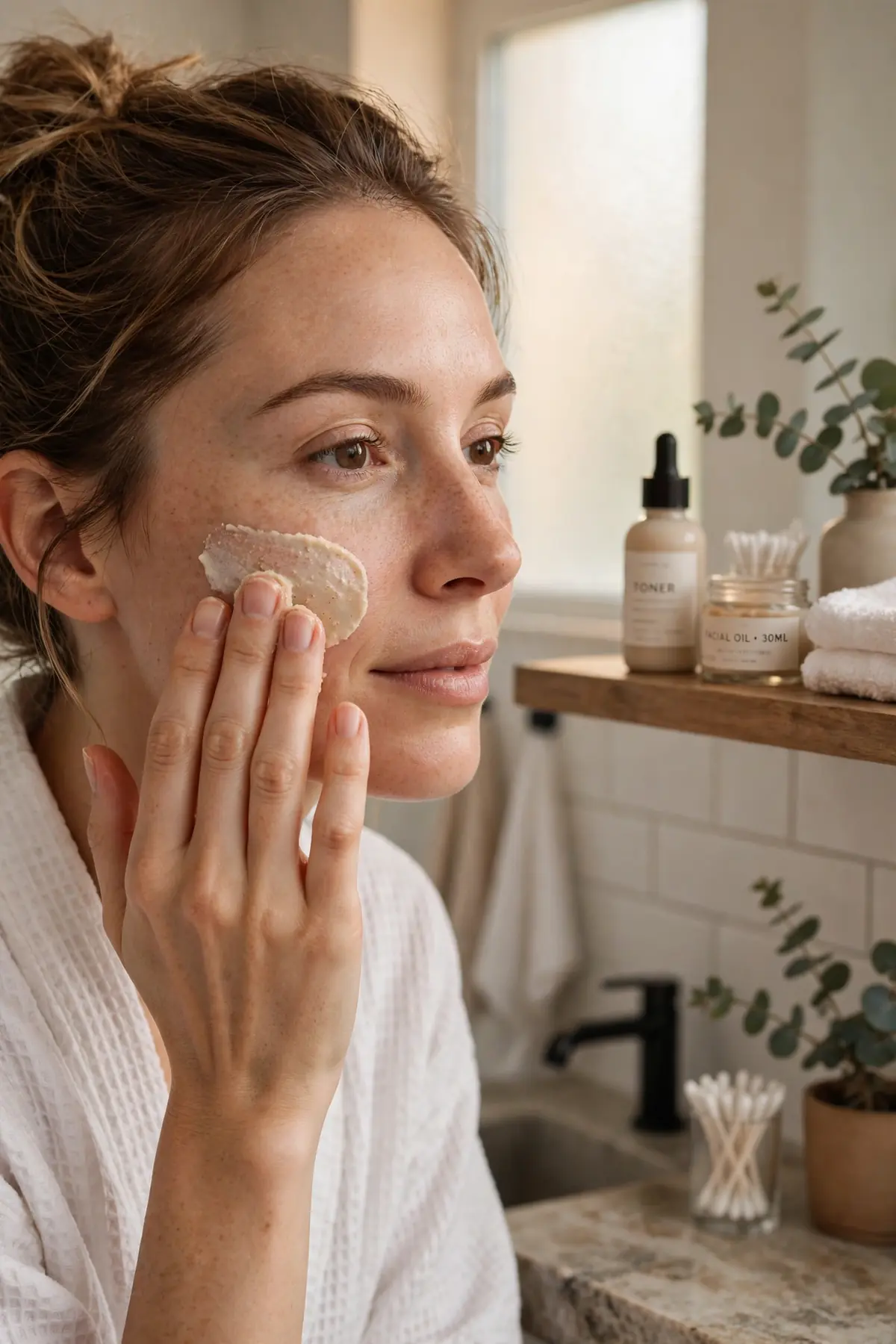
Exfoliation removes dead skin cells and encourages new, evenly pigmented skin to surface — which fades dark marks faster. For acne-prone skin, chemical exfoliants beat harsh scrubs: alpha-hydroxy acids (like glycolic or lactic acid) dissolve dead cells gently, while beta-hydroxy acid (salicylic acid) penetrates pores and suits oily, acne-prone skin.
Use a gentle exfoliant 2–3 times per week, never daily at first, and always follow with moisturizer. Over-exfoliating damages the skin barrier and can worsen marks — redness, stinging, or peeling means you are doing too much. Skip physical scrubs with rough particles, which can irritate active acne and create new marks.
Sun Protection Is Non-Negotiable
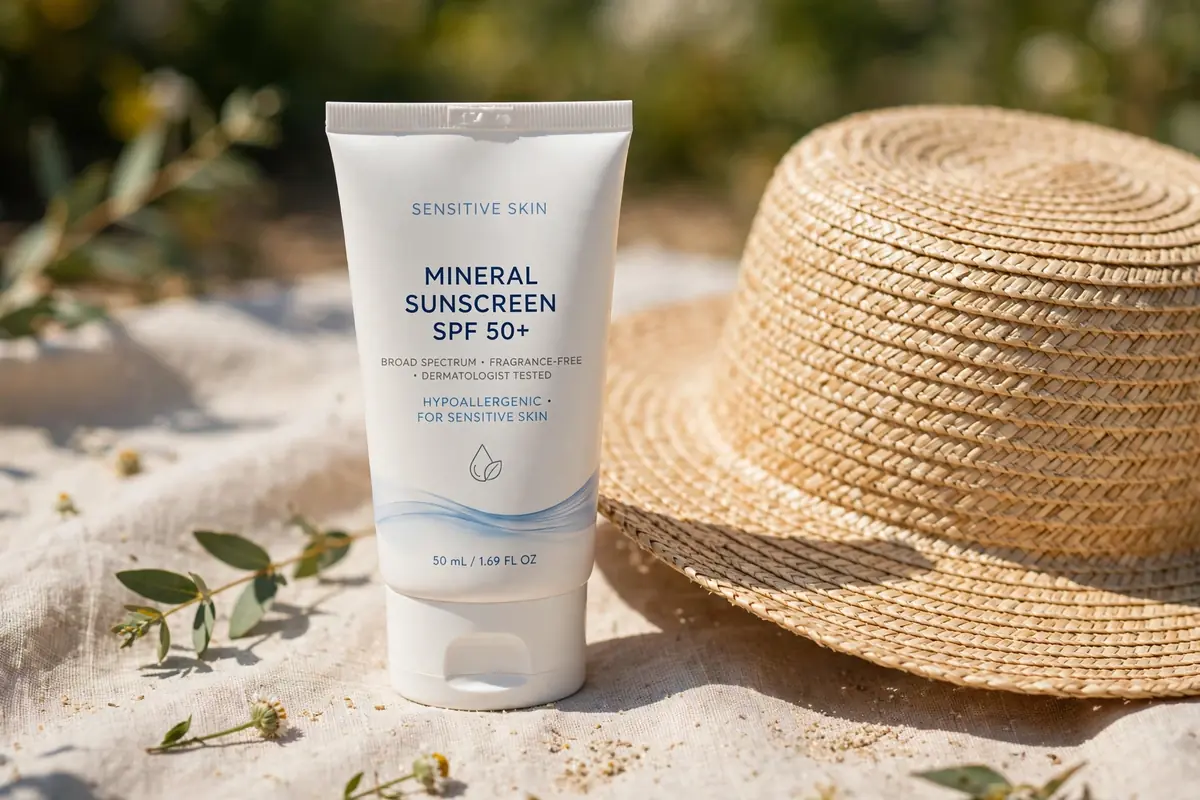
Sun exposure is the number one reason acne marks refuse to fade. UV rays stimulate melanin production, darkening spots and making them last far longer — a mark that would fade in a month can persist for six months with unprotected sun exposure. Daily sunscreen is therefore essential for anyone fading acne scars.
Use broad-spectrum SPF 30 or higher every morning, even on cloudy days, and reapply outdoors. Mineral sunscreens suit sensitive, acne-prone skin well. Combine sunscreen with hats and shade during peak sun hours for extra protection.
What to Avoid
Some habits worsen acne scars. Picking or squeezing pimples is the worst: it pushes inflammation deeper, increases scarring risk, and can turn a small pimple into a lasting mark. Avoid harsh, drying products (strong alcohol toners, aggressive scrubs) that damage the skin barrier and prolong healing.
Be skeptical of "miracle" scar creams with no proven ingredients — if a product promises overnight scar removal, it is marketing, not science. Avoid trying many new products at once: if irritation occurs, you cannot identify the culprit. And do not skip moisturizer: hydrated skin heals faster and looks smoother, while dry, irritated skin scars more easily.
When to See a Dermatologist
Natural remedies handle dark marks well, but true scars often need professional help. See a dermatologist if you have deep pitted scars, raised keloid scars, scars that worsen despite months of care, or persistent acne that keeps creating new marks. A dermatologist can offer microneedling, chemical peels, laser treatments, or prescription retinoids — all far more effective for true scars than home remedies.
Professional guidance also helps if you are unsure what type of marks you have, or if over-the-counter products irritate your skin. There is no shame in seeking expert treatment: combining professional care with a good home routine gives the fastest, most complete results.
Patience and Consistency Win
Getting rid of acne scars naturally is possible — for dark marks, especially — but it takes patience and consistency. Use gentle natural remedies like aloe and rosehip, make vitamin C your daily brightening step, exfoliate gently, and never skip sunscreen. Avoid picking and harsh products, and seek a dermatologist for deep scars. With a steady routine, most marks fade visibly within two to three months — and your skin emerges clearer, brighter, and healthier than before.