Lip Care Routine: Soft, Healthy Lips All Year
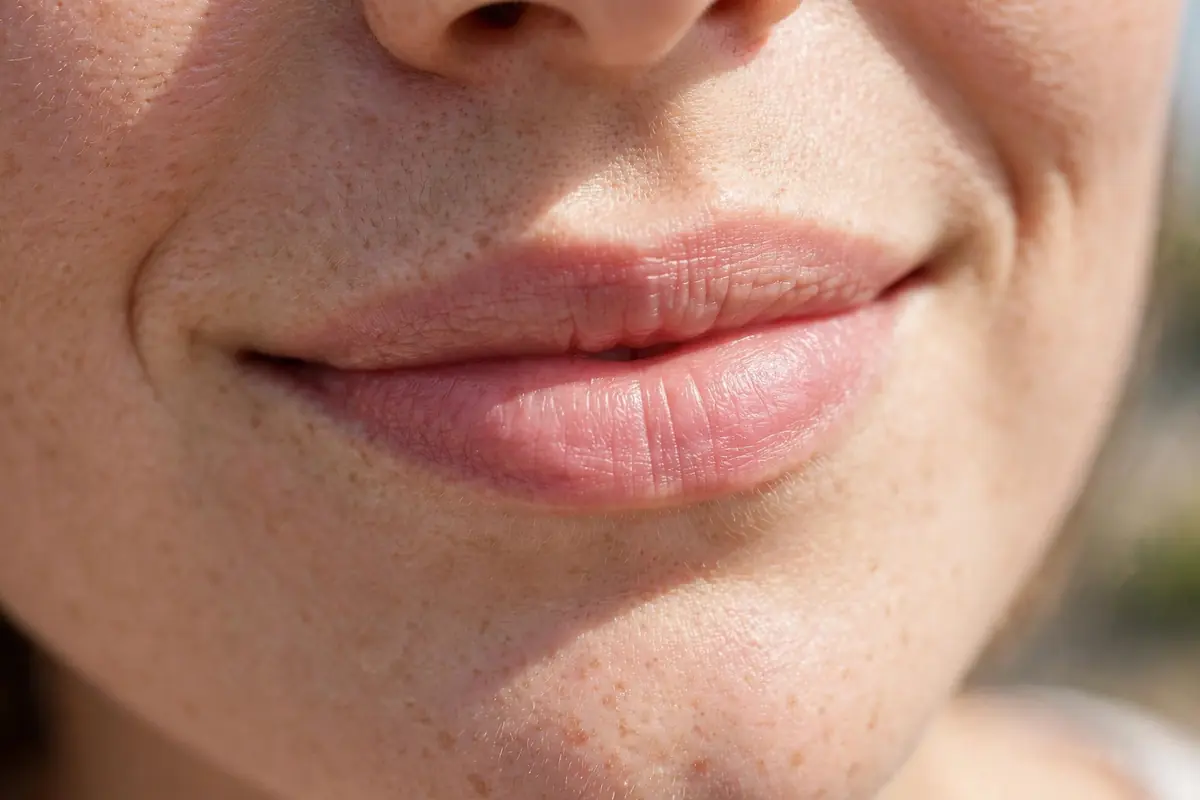
Chapped, cracked lips are one of the most common — and most annoying — beauty problems. They hurt, they make lipstick look terrible, and they seem to come back no matter how much lip balm you use. The reason is simple: lips are built differently from the rest of your skin, and most people treat them with habits that actually make dryness worse.
The good news: a proper lip care routine is simple, cheap, and fast. Once you understand what your lips need, soft, healthy lips all year are entirely achievable.
Why Lips Dry Out So Easily
Lip skin is uniquely vulnerable. It has no sweat glands and no oil glands of its own, so it cannot moisturize itself the way the rest of your face does. It is also much thinner — only three to five layers of cells compared to sixteen elsewhere — which means moisture escapes faster and environmental damage hits harder.
Add cold air, wind, sun, and lip licking, and cracking is no surprise. Lip licking is the worst offender: saliva evaporates quickly, leaving lips drier than before. Breaking that one habit alone improves most people's lips within a week.
Step 1: Exfoliate Gently, Once a Week
Dead, flaky skin sitting on your lips blocks moisture from getting in, so gentle exfoliation is the essential first step. But lips are delicate — harsh scrubs tear the skin and make things worse. Once a week is plenty.
The simplest safe scrub is one you can make at home: mix a teaspoon of fine sugar with a teaspoon of honey or olive oil, massage it over your lips in small circles for about thirty seconds, and rinse. Alternatively, after brushing your teeth, gently buff your lips with a soft, damp toothbrush. Never exfoliate cracked or bleeding lips — wait until they have healed, or you will deepen the damage.
Step 2: Hydrate With the Right Ingredients
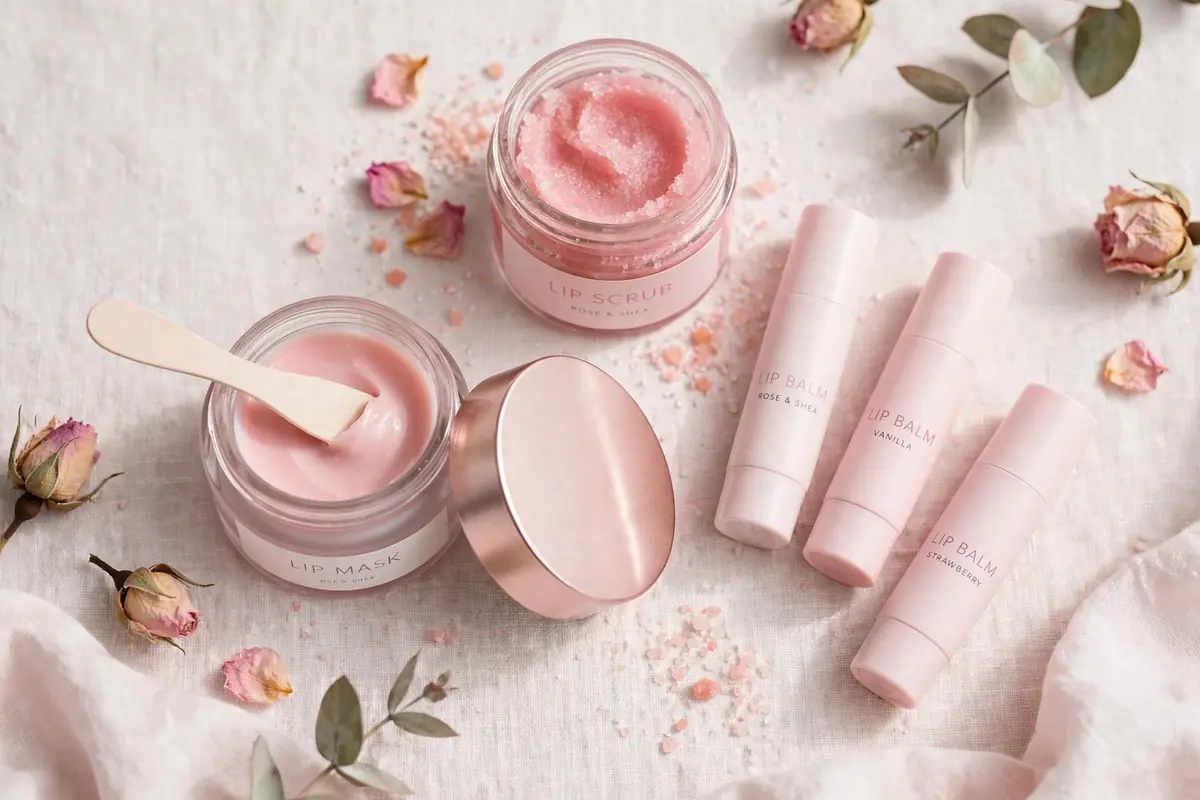
Not all lip balms are equal, and some popular ones actually make dryness worse. The ingredients to look for fall into three groups. Humectants like hyaluronic acid and glycerin draw moisture into the lips. Emollients like shea butter, cocoa butter, and squalane soften and smooth. Occlusives like beeswax, lanolin, and petrolatum seal all that moisture in.
The most effective lip products combine all three — a plain wax stick seals but does not hydrate, and a thin gloss evaporates quickly. Look for a balm with shea butter or lanolin near the top of the ingredient list. And beware of balms with menthol, camphor, eucalyptus, or strong fragrances — that cooling tingle feels good for a minute but irritates lips and increases dryness over time, which is why some people feel "addicted" to their lip balm.
Step 3: Protect With SPF Every Day
Most people protect their face from the sun but forget their lips entirely — even though lip skin, being so thin, is especially vulnerable to UV damage. Chronic sun exposure on the lips causes dryness, darkening, and, over years, increases the risk of actinic cheilitis, a precancerous condition dermatologists take seriously.
Use a lip balm with SPF 30 every morning, and reapply it outdoors just as you would sunscreen — every two hours in direct sun, and after eating or drinking. Many tinted lip balms now include SPF, so sun protection does not mean giving up color.
The Overnight Lip Treatment
Night is when lips recover best, because you are not eating, drinking, or talking for hours. Make an overnight lip mask part of your bedtime routine: apply a thick layer of a rich lip balm, lanolin, or a dedicated lip sleeping mask before bed. By morning, the difference is visible — lips look plumper, smoother, and far less flaky.
For severely chapped lips, the "lip sandwich" technique works wonders: apply a thin layer of a hydrating product first, then seal it with a thick occlusive balm on top. Do this for three to four nights in a row and even badly cracked lips usually recover. If your lips do not improve after two weeks of proper care, see a dermatologist — persistent cracking can signal an allergy, a vitamin deficiency, or a condition like angular cheilitis.
Habits That Keep Lips Soft
A few daily habits protect everything your routine builds. Drink enough water — dehydrated lips are often the first visible sign of dehydration. Breathe through your nose when possible, since mouth breathing dries lips out, especially overnight. Avoid picking or peeling flaky skin, which tears healthy skin underneath and prolongs healing.
Long-wear matte lipsticks are notoriously drying, so prep with balm first and remove them gently with an oil-based remover. And keep a lip balm everywhere — by your bed, in your bag, at your desk — because the best lip care routine is the one you actually do, several times a day.
Your Simple Lip Care Routine, Summarized
Here it is in one line: exfoliate gently once a week, hydrate daily with a balm rich in shea butter or lanolin, protect with SPF 30 every morning, and seal everything in with a thick overnight mask before bed. Add water, ditch the lip licking, and skip irritating menthol balms.
Soft, healthy lips are not about expensive products. They are about gentle exfoliation, real hydration, and daily protection — every single day.